The Evolution of 4WD Roof Racks
Car roof racks have undergone significant evolution over the past half-century, driven by advancements in materials, smart engineering design, and consumer needs.
Materials and Construction
In the 1950s roof racks were primarily made of steel. While sturdy, these were heavy, prone to rust, and required some ongoing maintenance. Aluminium gained popularity over time due to its lightweight nature and corrosion resistance. This material shift made roof racks more durable and easier to handle.
Modern materials such as power coated steel or galvanized steel will remain rust free for decades. And improved design means they roof rack can be reasonably light weight.
Older roof racks were often attached to the drip rail that existed on the roof almost all cars. This drip rail is far less common on vehicles now, so modern roof racks must be designed to attach by other means.
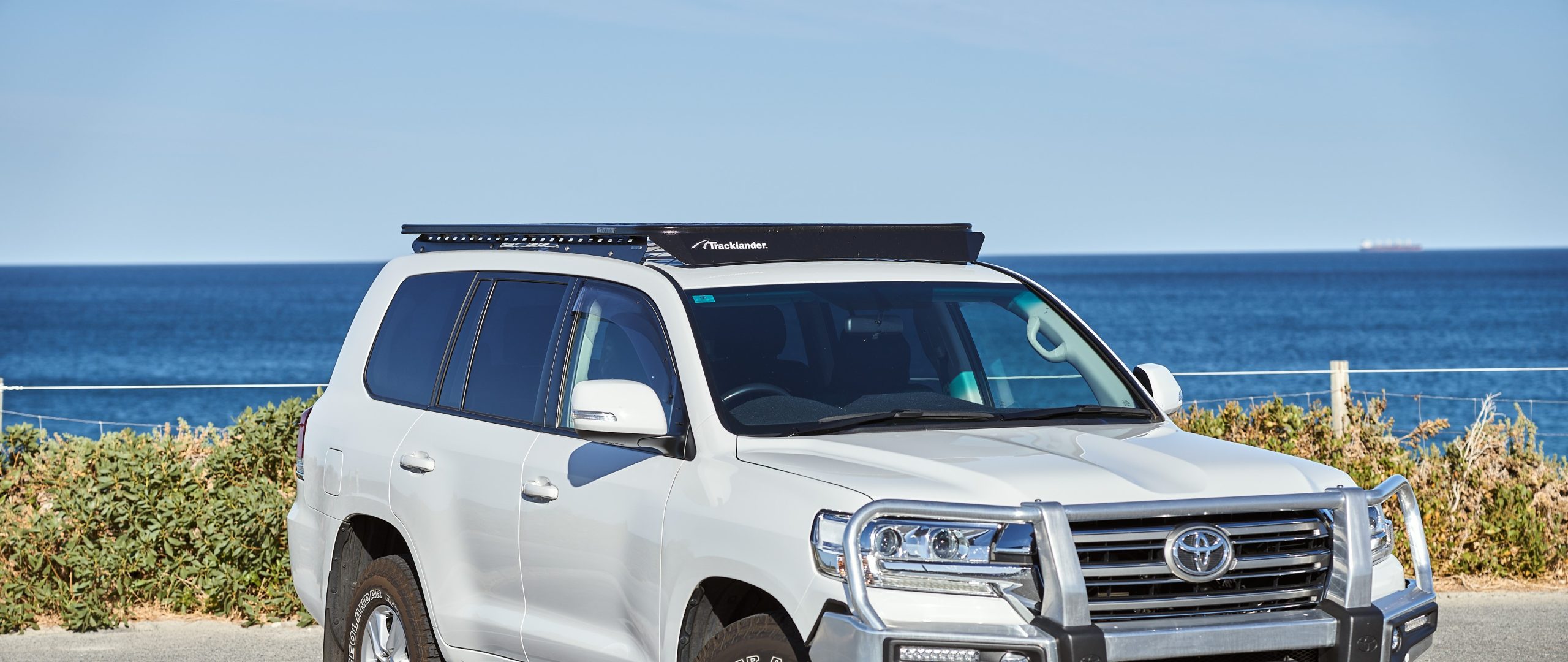
Most 4WD manufactures realise that their vehicles will often need a roof rack fitted. So almost all 4WD drive vehicles have cross bars on the roof for fitting roof racks.
Aerodynamics
Early roof rack designs were boxy and often caused significant wind resistance and noise while driving. This led to decreased fuel efficiency. This was not of great concern at the time as petrol was cheap and many people drove cars that were large and inefficient. Today there is more concern about fuel cost and the environment.
Over time car manufacturers created more aerodynamic designs. Roof racks also started to be more streamlined shapes and include wind deflectors. This improved the overall performance, reducing drag and noise.
Today’s computer aided designs have led to highly aerodynamic roof racks. They are engineered to minimize drag and maintain fuel efficiency, even with items attached.
Installation and Compatibility
Roof racks of the past might have been generic designs that connected to the drip rail on the roof. Or they might have required specialized installation, with bolts mounted into vehicle roof. This permanent modification of the was not ideal.
Today, good quality roof racks can be designed for the specific make and model of vehicle. Some attach to the manufacturer installed cross bars of the vehicle roof. Some attach to the drip guard that still exists on some 4WDs. These modern roof rack can be installed and removed, if required, without modification to the vehicle.
Load Capacity and Attachment Methods
Early roof racks were heavy, which limited their load capacities. and they were not always secured very well to the roof. They were acceptable for lighter items like luggage and small sports equipment, but little else.
The latest roof racks are engineered to support even heavier loads, thanks to lighter yet stronger reinforced materials and innovative attachment methods. They now accommodate a broader range of equipment and sports gear.
Car Roof Rack
The evolution of car roof racks over the last 50 years showcases the remarkable progress in materials, engineering, and design. Today’s roof racks are lighter, more aerodynamic, and capable of carrying a wider range of equipment than their predecessors.
CATEGORIES

Optimising 4WD Storage: Benefits of Roof Rack Installation
A car roof rack can be an essential addition for anyone who needs extra storage space for their vehicle. Whether you're going on a long road trip, carrying equipment for work, or just need more room for everyday items, a roof rack can make a big diff....

Car Roof Rack That’s Built to Last
Tough for the off-road world… The Sturdy Tracklander Car Roof Rack is the result of over 4 decades of experience in 4WD roof rack manufacture and design. Built for the harsh conditions of northern Australia and tested in some of the roughest terra....

Cleaning Mud
More than any other type of vehicle a 4WD will be exposed to tough and dirty conditions. This is true with the vehicle is used for mining, commercial, military or personal off road use. Cleaning the dirt off the vehicles afterward is an important iss....