Do Roof Racks Use More Fuel?
Yes, roof racks can use more fuel. But the complete answer isn’t that simple. Many factors affect how much of an impact your roof rack will have on fuel economy.
Importantly, not all roof racks create the same amount of drag.
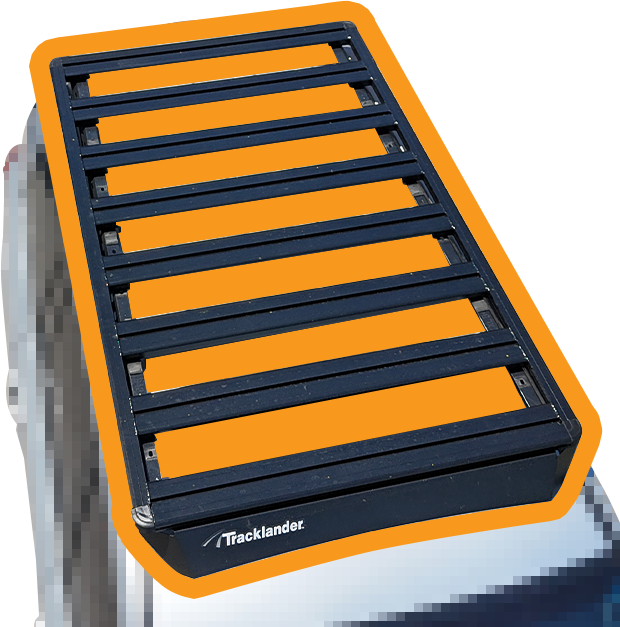
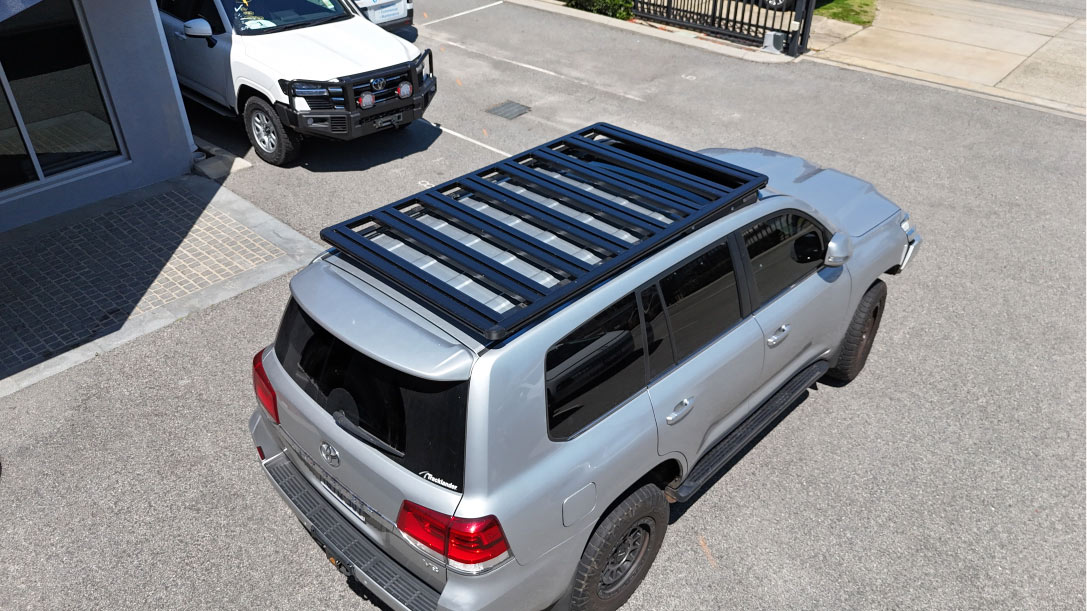
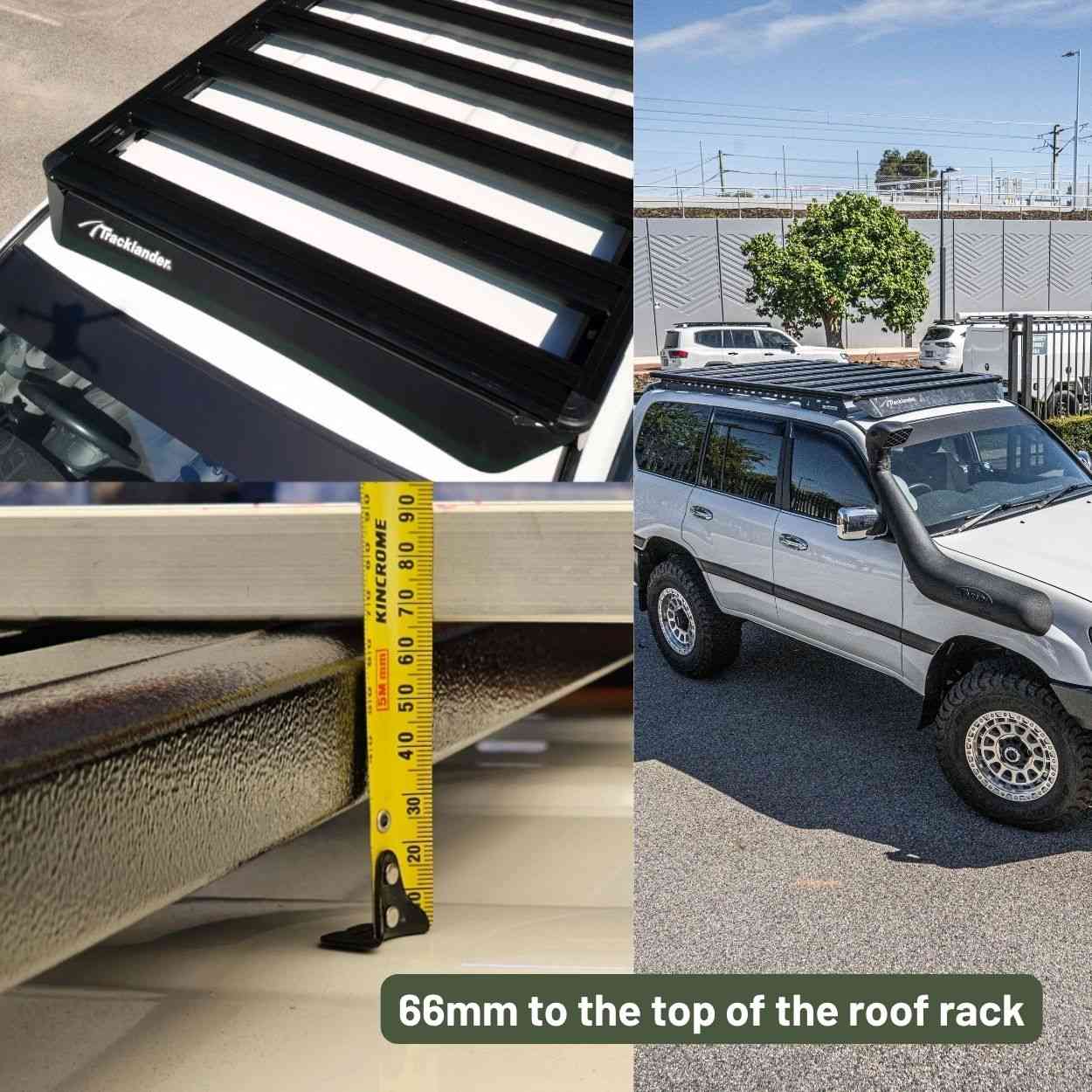
If you want a roof rack you can leave fitted while minimising its impact on fuel use, a low-profile, aerodynamic design is the way to go. Tracklander roof racks sit just 3 cm from the roof and are engineered to reduce wind drag and noise, helping minimise the fuel penalty normally associated with bulkier roof rack systems.
Here, we’ll cover tips on choosing the most fuel-efficient roof racks and how to save fuel with a roof rack.
Key Summary
- Roof racks do use more fuel, but it depends on several factors
- Roof racks affect fuel usage because they reduce a vehicle’s aerodynamics and create wind resistance
- Wind resistance forces the engine to work harder and use more fuel
- Speed and the weight of the roof rack and gear also affect fuel consumption
- Empty roof racks can increase fuel consumption by 2 to 10%
- Loaded roof racks can reduce fuel efficiency by 10 to 25% at highway speeds
- Older, outdated, bulky roof racks create more wind resistance and use more fuel
- For the best fuel economy, choose a low-profile, modern, aerodynamic roof rack
- Tracklander racks sit close to the roofline and use built-in wind deflection technology to minimise drag, making them a strong option if fuel efficiency matters
- If you rarely use your roof rack, it may make sense to remove it in between uses
Why Roof Racks Increase Fuel Usage
Aerodynamic Drag
One of the main reasons roof racks increase fuel usage is wind resistance. Vehicles are designed for air to move smoothly over the top of the vehicle. Adding a roof rack disrupts this smooth airflow.
This introduces wind resistance, or drag, that affects the vehicle’s aerodynamics. Drag forces the engine to work harder, requiring more fuel to run.
The design and position of the rack make a big difference here.
A roof rack that sits close to the vehicle reduces the amount of extra surface area exposed to moving air. This is why Tracklander racks are designed to sit just 3 cm from the roof, creating a lower and more streamlined profile than bulky, high-mounted systems.
Speed Factor
As speed goes up, drag increases even more. Driving on the highway with a roof rack will use more fuel than driving at slower speeds.
Added Weight
The increased drag from wind resistance creates the biggest impact on fuel economy. However, the added weight of the roof rack can also slightly increase fuel usage.
Add on the weight of any gear you are hauling, such as kayaks or bikes, and it will further impact fuel use. Expect a roof rack loaded with bulky items to reduce your fuel efficiency by 10 to 25% at highway speeds.
Fuel Economy Impact Estimates
Here are some basic fuel economy impact estimates of roof racks:
- Empty Racks: Expect an empty roof rack to reduce your fuel efficiency by approximately 2 to 10% (roughly 0.5 to 1 litre per 100 km)
- Loaded Racks: Hauling heavy items and gear further increases a vehicle’s drag, reducing fuel economy by 10 to 25% at highway speeds
How to Save Fuel With a Roof Rack
Here are our top recommendations for how to save fuel with a roof rack:
- Remove the Rack: This one is a popular recommendation if you do not use your roof rack often.
- Choose aerodynamic designs: Premium roof racks feature streamlined designs that sit low to the vehicle’s roof and create less wind resistance.
- Add a Wind Deflector: Wind deflectors can help create smoother airflow over your roof rack and cargo.
- Adjust Your Driving Habits: Try to maintain a consistent speed, accelerate smoothly, and avoid driving faster than needed.
- Pack Gear Inside the Vehicle: If space allows, store smaller gear or luggage inside your vehicle’s interior rather than on the rack.
- Distribute Gear Weight Evenly: Aim to create balanced loads to avoid uneven strain on the vehicle’s roof rack.
What to Look for in a Roof Rack if You Want Better Fuel Usage
Older, boxy crossbar designs sit higher on the roof and significantly increase wind resistance and noise. Modern roof racks, such as Tracklander’s premium designs, are engineered to be aerodynamic and low-profile.
For the best fuel economy, look for roof rack features such as:
- Low-profile platforms
- Lightweight design
- Wind deflectors
- Streamlined design to reduce wind resistance
Tracklander roof racks are built with these exact features to provide a quiet, smooth and fuel-efficient ride.
 We achieve our aerodynamic designs by manufacturing each roof rack with:
- A lightweight, low-profile design, sitting just 3 cm above the roof
- Built-in wind deflection technology to eliminate the wind noise, whistling and vibrations that occur with cheap roof racks
- Fully welded mesh base for a solid, rattle-free foundation
- No bolted panels that are at risk of loosening over time
- Wind-tunnel testing to ensure the smoothest airflow
The Quietest, Most Fuel-Efficient Roof Racks in Australia
Roof racks do use more fuel, but choosing a lightweight, aerodynamic design can minimise this impact.
Our roof racks are engineered to sit close to the roofline, naturally cut through wind and minimise drag. This creates a roof rack system that delivers a quieter ride and maximum fuel efficiency.
And you don’t have to sacrifice strength to get it. Tracklander racks use a fully welded mesh system with robust tie-down points and are backed by a 5-year unlimited kilometre guarantee, giving you a rack designed for both everyday driving and demanding off-road use.
Browse our range of fuel-efficient roof racks and see what 50 years of proven reliability looks like. Need customised recommendations? Contact our team for advice on which roof rack will suit your vehicle, lifestyle and needs.
FAQs
Do roof racks increase fuel consumption?
Yes, roof racks do increase fuel consumption. This is mainly a result of the added wind resistance created by the roof rack. However, a well-designed, aerodynamic roof rack will have less impact on your fuel consumption. Bulky, outdated, boxy roof racks see the biggest reduction in fuel economy.
Do I need to remove my roof rack?
Whether or not you need to remove your roof rack comes down to preference. If you frequently haul cargo, kayaks, heavy gear or bikes, leaving your roof rack on makes sense. If you only use your roof rack on a rare occasion, it makes sense to remove it.
Tracklander roof racks are designed to be permanently mounted to your vehicle while minimising the additional drag associated with roof racks. This reduces the hassle of having to take the roof rack on and off.
Should I remove my roof rack when not in use?
Yes, it may make sense to remove your roof rack if you only use it infrequently. This is especially important if your roof rack is outdated or bulky. Tracklander roof racks are designed to be left on your vehicle while minimising additional drag and noise.
Do empty roof racks reduce my car’s L/100km?
Yes, an empty roof rack can still increase your car’s L/100km, especially with older, heavier models.
How can I minimise the fuel penalty when I need to use a roof rack?
Choose a modern, aerodynamic roof rack to reduce drag compared with bulkier, older styles. Look for a low-profile system that sits close to the roof and uses wind deflection to improve airflow. Tracklander roof racks are designed around these principles to minimise their effect on fuel economy.
CATEGORIES

Optimising 4WD Storage: Benefits of Roof Rack Installation
A car roof rack can be an essential addition for anyone who needs extra storage space for their vehicle. Whether you're going on a long road trip, carrying equipment for work, or just need more room for everyday items, a roof rack can make a big diff....

Car Roof Rack That’s Built to Last
Tough for the off-road world… The Sturdy Tracklander Car Roof Rack is the result of over 4 decades of experience in 4WD roof rack manufacture and design. Built for the harsh conditions of northern Australia and tested in some of the roughest terra....

Cleaning Mud
More than any other type of vehicle a 4WD will be exposed to tough and dirty conditions. This is true with the vehicle is used for mining, commercial, military or personal off road use. Cleaning the dirt off the vehicles afterward is an important iss....